Penang for Digital Nomads: Coworking, Culture, Cost of Living and Food. Discover why this island works so well as a remote work base.
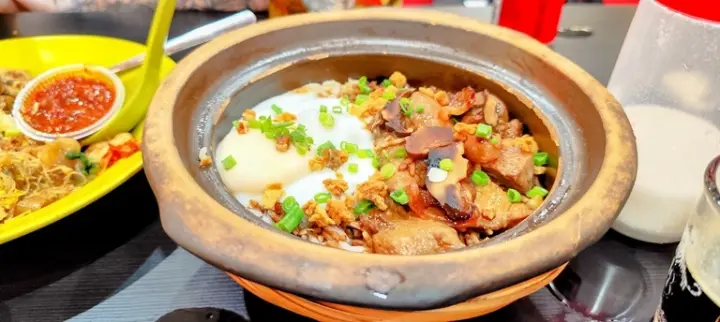
I recently spent some time in Penang, and it’s hard to believe that my last visit was 20 years ago. Spent just a few days with my old boss, when I was still working in Shanghai for a ball bearing company. I fondly remember the Bak kut teh (a pork broth dish) during that visit.
Back then, Penang had a more laid-back, almost sleepy feel, with limited options for modern amenities and coworking. The transformation over the years has been remarkable. Today, Penang has evolved into a buzzing hub for travelers, business owners, and digital nomads while still retaining its cultural charm.
The cityscape has changed significantly, with more high-rise apartments, American style integrated malls, and of course modern coworking spaces. Penang is a unique blend of island life and modern amenities, in an old-school colonial setting, making it an appealing destination for remote workers.
I had previously dabbled in this whole digital nomad thing (a few days here and there), but I recently decided to try out the digital nomad lifestyle for a full two months. Packed my bag and decided to do a 3 country “market study” (Vietnam, Thailand, Malaysia).
This guide draws from firsthand experience to help those unfamiliar with South East Asia, and Penang in particular, navigate life here as a digital nomad. Whether you’re drawn by the food, the cultural richness, or a 2027 change of scenery, it covers legal requirements, lifestyle benefits, challenges, and practical tips to make the transition smoother.
Read here to know more about why Vietnam makes sense for investment!
Malaysia for Digital Nomads
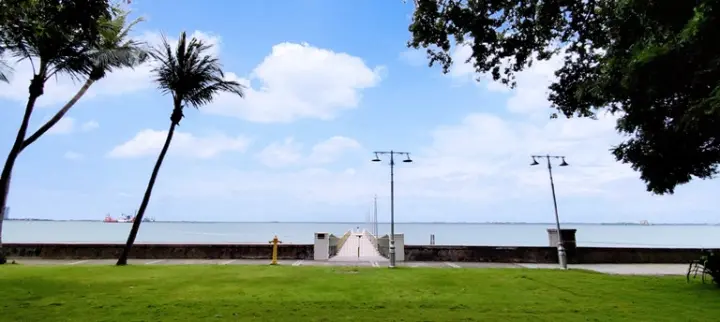
Malaysia, as a whole, offers a unique blend of modern infrastructure and rich multicultural heritage, making it a great base for digital nomads. Known for its economic opportunities, Malaysia is one of Southeast Asia’s fastest-growing economies, with strong sectors in technology, manufacturing, and services.
The relatively low cost of living compared to Western countries makes it attractive for remote workers. Additionally, Malaysia’s multicultural fabric means you will often hear Malay, English, Chinese dialects, and Tamil being spoken, which adds to the welcoming and diverse atmosphere. English is widely spoken, making it easier for newcomers to adapt.
Food lovers will find Malaysia nothing short of paradise. With influences from Malay, Chinese, Indian, and indigenous cultures, the cuisine is diverse, flavorful, and affordable. Whether it’s hawker centers serving local delicacies or trendy cafes offering fusion dishes, eating out is both a culinary adventure and a budget-friendly option.
Travel is also incredibly accessible, with budget airlines like AirAsia offering cheap domestic and international flights, making weekend trips to nearby countries a real possibility. This accessibility is a big plus for digital nomads looking to explore the region.
We hit 3 key cities during this trip (Malacca, Kuala Lumpur, and Penang), but the stay in Penang stood out for the coworking experience.
Penang for Digital Nomads
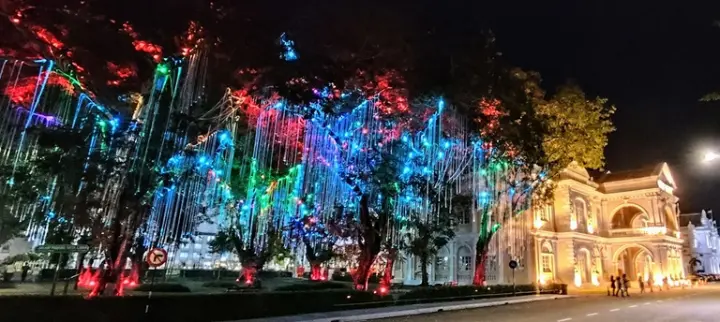
- Climate: Penang has a tropical climate with warm temperatures throughout the year. It only rained a few times during my stay, but the wet spells are real: expect the heaviest bursts around April-May and again September-October, with June to August usually the driest stretch. Roughly December to March is the most comfortable window for outdoor activities. It’s worth investing in a good umbrella or jacket if you’re planning to be out and about – flip flops are also ideal.
- Affordability: Compared to other Southeast Asian cities, Penang can be quite pricey, but still offers a low cost of living, and is still significantly cheaper than places like Singapore or Bangkok. Grab cars are particularly cheap, with rides starting at just 5 MYR. Local buses are also affordable, costing less than 2 MYR for most routes, making them a viable option for budget-conscious travelers.
- Connectivity: High-speed internet is available throughout the city, with most coworking spaces offering reliable Wi-Fi. I got a local SIM with unlimited data, but the hotspot sharing was capped at 30GB, so plan accordingly if you work on the go.
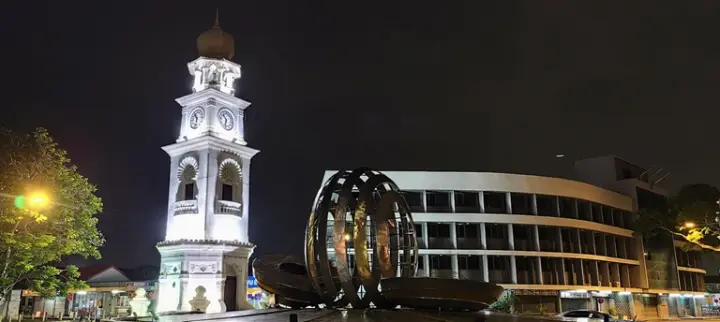
- Cultural Diversity: George Town, a UNESCO World Heritage site, showcases colonial architecture, Chinese shophouses, and a blend of Malay, Indian, and Chinese influences. Despite some modern development, old buildings may look deserted from the outside but often have signs of life within. Highly walkable! Just like the British intended it to be?
- Food Haven: Penang is known for being a foodie paradise. From street food to trendy cafes, and hidden little dimsum places, you’ll find something for every palate. The mix of Malay, Chinese, and Indian cuisines means you’re never far from a delicious meal, whether it’s a plate of Char Kway Teow or a bowl of Assam Laksa.
Comparison: Penang Malaysia vs. Other Digital Nomad Hotspots
| Criteria | Vietnam | Thailand | Indonesia | Malaysia |
|---|---|---|---|---|
| Cost of Living | Very Affordable | Moderate | Varies by location | Moderate to Affordable |
| Internet Speed | Reliable in cities | Generally fast | Varies, slower on islands | High-speed in major cities |
| Visa Options | 90-day e-visa (all nationalities), 45-day visa-free for eligible passports | 30-day visa exemption (extendable), DTV | Visa-on-arrival, social visa (B211), KITAS options | DE Rantau Nomad Pass, MM2H |
| Community | Growing, inclusive | Established, diverse | Creative, laid-back | Established, multicultural |
| Nightlife | Vibrant, varied | Dynamic, party-friendly | Relaxed, beach vibes, alcohol can be limited and expensive | Cosmopolitan, multicultural, alcohol expensive |
| Weekend Activities | Cultural tours, beach trips | Island hopping, trekking | Surfing, yoga retreats (for Bali, in particular) | UNESCO heritage city exploration, nature reserves |
Visa Options for Digital Nomads
- Visa-Free Entry: I entered Malaysia visa-free, which was a great start (most Western passports get 30 to 90 days, and everyone needs to file the Malaysia Digital Arrival Card before landing). However, for longer stays, Malaysia’s Digital Nomad Visa (DE Rantau) is a solid option. The Nomad Pass runs 12 months, renewable for another 12, with a fully online application through MDEC. As of 2026 the income bar is 24,000 USD a year (2,000 USD a month) for digital and IT professionals, with a higher-threshold lane around 60,000 USD for selected non-IT roles. Fees run about 1,000 MYR plus a 500 MYR processing fee. It’s flexible, it’s online, and it’s one of the more straightforward nomad passes in the region.
- MM2H Program: For a more permanent base, the Malaysia My Second Home (MM2H) program offers long-term residency with real financial requirements. It was relaunched in 2024 with tiered Silver, Gold, and Platinum categories: Silver (25 and older) needs roughly a 150,000 USD fixed deposit or a qualifying property purchase for a 5-year visa, while Gold and Platinum step that up to 500,000 and 1 million USD. It’s popular among retirees and long-term expats looking to settle in Malaysia. I had a meeting with a property lawyer while I was there, and the going rate for a decent 3BR apartment seemed to be about 150K USD – do your own homework on that one.
Accommodation Options
- Monthly Rentals: Affordable apartments range from 300 to 800 USD/mo, depending on location and amenities. Popular areas include Gurney Drive, Batu Ferringhi, and George Town.
- Airbnb: Popular for short-term stays, but generally pricier compared to local rentals. However, as we were only staying for 2 weeks and couldn’t find the right combination of quality, price, and convenience, we ended up staying in a hotel for about 20USD/night. Also, I noticed a lot of modern apartment blocks looked empty at night, possibly due to a property glut. Many of these new developments are waiting to be rented or sold, giving you plenty of choices if you’re looking for a long-term stay.
- Co-Living Spaces: Great for meeting other nomads. Consider options like iProperty and SpeedHome for long-term deals. Some co-living setups offer community events, making it easier to integrate into the local scene.
Transportation
- Public Transport: The bus system is reasonable, though not always punctual. We took a bus to Batu Ferringhi, which took about an hour but offered pleasant ocean views.
- Grab: Still reliable and still affordable, starting at 5MYR for short trips. While I didn’t make it to Butterworth as a day trip (for food, of course!), the Grab ride to the train station was only about 25MYR.
- Scooter Rental: Costs around $100 to $150 per month. Ideal for navigating George Town’s narrow streets.
- Walking: George Town is walkable, though the heat can make long walks uncomfortable. We averaged about 10K steps per day.
Monthly Budget for Penang (2027 Planning)
| Expense Category | Cost (USD) per Month | Description |
| Accommodation | 300 – 800 | Monthly rent for apartments or co-living spaces |
| Coworking Space | 70 – 250 | MASCO or other coworking options |
| Food | 150 – 500 | Street food, local restaurants, and occasional cafes |
| Transportation | 30 – 60 | Grab rides, buses, and occasional scooter rental |
| Internet/Phone | 10 – 20 | Local SIM card with data and hotspot |
| Entertainment | 50 – 300 | Nightlife, bars, and weekend outings (alcohol can be very expensive) |
| Miscellaneous | 50 – 100 | Personal items, toiletries, unexpected expenses |
| Total Estimate | 660 – 2,030 | Varies based on lifestyle and accommodation choice |
These are planning ranges based on what things cost on the ground recently – treat the bottom end as a floor for 2027 rather than a promise.
Coworking Spaces in Penang
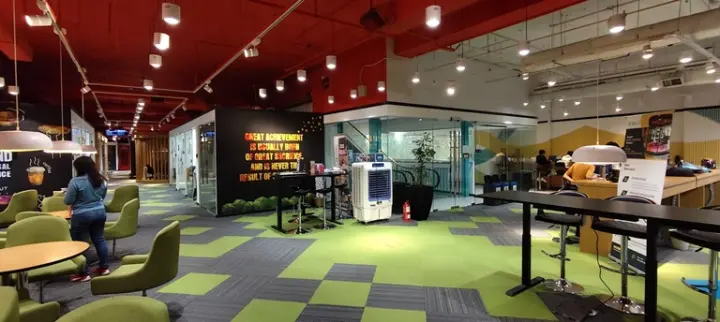
Penang has a growing number of coworking spaces, but we ended up choosing MASCO because it was the most convenient, best equipped option. They had a lot of space! Compared to smaller coworking spaces, MASCO offers a diverse range of facilities, including meeting rooms, event halls, and recreational areas (pool table). Most importantly, it also had unlimited espresso based coffee! Its location within Prangin Mall also didn’t hurt for grabbing a meal or doing some shopping after work.
MASCO Co-Working Space
- Location: Prangin Mall, George Town (entrance by the Burger King).
- Pros and Cons: High-speed Wi-Fi, meeting rooms, private offices, event halls, game zones, and a kitchen with free coffee. Lots of space! The air conditioning was strong but bearable, and the space itself was massive. One downside was the men’s toilets, which felt a bit cramped, poorly maintained, and just in constant misuse – you can almost guarantee there’s something wrong with it at any given moment, from wet floors to broken toilet seats.
- Pricing: Day pass: MYR 30; monthly: MYR 300; private office: MYR 1,000/month (from my stay – double-check current rates before committing).
- Why We Chose MASCO: The combination of ample space, good amenities, and a central location makes it well worth the money. Plus, being inside a mall means you can grab a coffee or a snack without stepping outside.
After Hours: Food in Penang, Drinks, and Day Trips
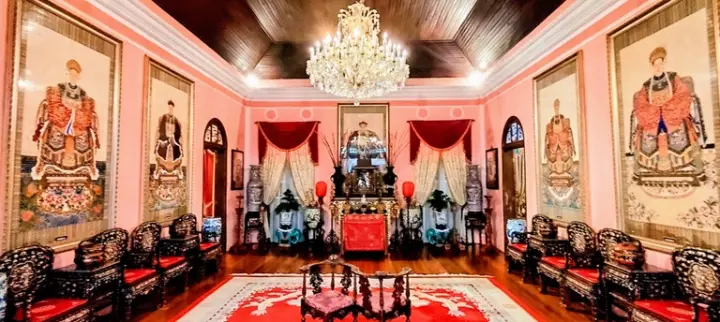
(Pictured above: the Peranakan Mansion Museum, previous home to the wealthy Kwee clan, abandoned for a few decades but has since been turned by a wealthy benefactor into a museum to showcase the Baba Nonya way of life)
When the workday winds down, Penang has plenty to offer for relaxation and fun. After spending long hours at MASCO, it’s time to unwind and experience the lively after-hours scene.
- Drinking and Nightlife: If you’re in the mood for drinks, head to Chulia Street in George Town. This bustling area comes alive at night with its eclectic mix of backpacker bars, local pubs, and street food vendors. You’ll find budget-friendly beers, cocktails, and a good mix of locals and travelers. The vibe is laid-back, and it’s a great spot to meet other digital nomads or just relax after a long day.
- Food Adventures: Penang is a food lover’s paradise. Whether you’re looking for a hearty meal after work or a late-night snack, the city’s culinary landscape has you covered. We found ourselves gravitating toward the hawker centers primarily for Chinese food, but also found ourselves at Kapitan for what is probably the best Butter Chicken on the island.
- Other honorable mentions:
- Cafes: If you prefer a sit-down experience, head to one of the many cafes in George Town. China House is a popular choice for its cakes and coffee, and dark interiors, while Bean Sprout Cafe offers a quieter, cozy atmosphere. Have to note though that the coffee scene is a bit disappointing. Was difficult to find a cup of coffee that was both good, and well priced. Expect to pay 10MYR for even the most generic of Americanos. Vietnam has really spoiled me for coffee.
- Shopping and Evening Walks: For some light shopping or evening strolls, Prangin Mall is a convenient option, especially if you’re already at MASCO. If you’re looking for local crafts and souvenirs, the night markets around George Town are a great way to pick up unique items while soaking in the lively atmosphere. We spent an afternoon wandering through the stalls, picking up some handmade trinkets and local snacks over in Armenia Street.
- Day Trips and Exploring: Street art is definitely a thing here and the museums are well worth a visit. One of our highlights was taking a trip to the Peranakan Museum (pictured above) which used to be the home of a very wealthy Chinese Baba Nonya clan (the Kwee Family). We also hopped on a bus from George Town to Batu Ferringhi, which took about an hour, but the ride was comfortable and offered scenic views of the coast. Batu Ferringhi’s beach is a nice break from the city, and you can enjoy water sports or simply relax on the sand. Soju and soda on ice is your friend.
Although we didn’t make it to Butterworth, we heard that it’s worth a visit, especially for the food scene. Next time, we’ll definitely include it in our itinerary.
Practical Tips
- Managing Heat: Choose air-conditioned coworking spaces like MASCO or work during the cooler hours of early morning and late evening. Do not go outside during the day, unless you know what you’re doing. Wear sunscreen. Staying hydrated and dressing in light, breathable clothing helps too.
- Grab Food: You can get food delivered to your hotel or co work space. This is ideal for those who are working hard during the day (or hardly working), and don’t want to brave the outside heat.
- Internet Access: Get a local SIM with unlimited data, but keep in mind the hotspot sharing cap. It’s cheap, simple, and straightforward at the airport.
- Safety: Generally safe, but be mindful when walking at night – mostly for Malaysian drivers… who might not necessarily know what road safety means.
Conclusion
Penang proved to be an excellent digital nomad base: affordability, cultural richness, and modern amenities in one place. What got me was the mix of old-world charm and new-age convenience – coworking at MASCO by day, hawker centres and heritage streets after. It’s a balanced lifestyle for anyone working remotely.
Key Takeaways:
- Affordable cost of living with diverse accommodation options.
- High-speed internet and reliable coworking spaces, especially MASCO.
- Rich multicultural environment, making it easy to adapt.
- Convenient transportation options like Grab cars and public buses.
- A food paradise that caters to every taste and budget.
Looking to Set Up Your Business in Malaysia?
Well, we can’t fully help you just yet… but we can introduce you to people who can! United Consulting mainly assists businesses in Vietnam, and we’re actively building a network of Preferred Partnerships in South East Asia!
However, if you’re considering setting up your business in Vietnam, reach out to us today – we’ll guide you every step of the way!