Affordable living, relaxed pace, and a perfect work-life balance. Discover why Chiang Mai is the top choice for digital nomads in Thailand.
Chiang Mai for Digital Nomads
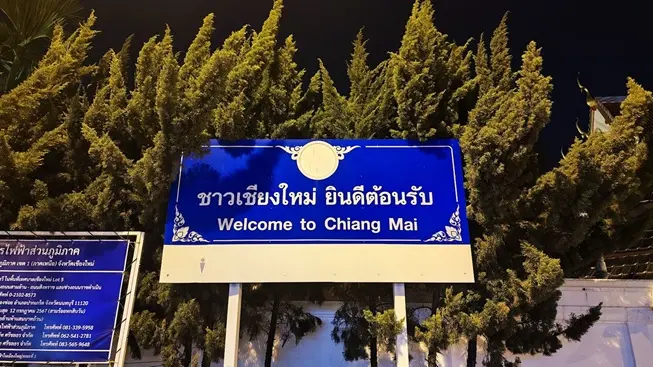
Thailand has long been a favorite destination for digital nomads, offering a unique blend of affordable living, deep culture, and a rapidly expanding community of remote workers from all corners of the globe. Known for its friendly locals, rich traditions, and breathtaking landscapes, Thailand provides a dynamic environment for those who seek both adventure and productivity.
Personally, I’ve been to Thailand dozens of times, but it never really called out to me – just beachy towns like Phuket, the Khos, and Bangkok more times than I can mention. I’ve always loved the food, but never felt a strong pull. Chiang Mai bucked the trend. A friend recommended it, and it works as a proper digital nomad base without forcing the hippie vibe on you.
Unlike the other cities I’ve visited in Thailand, Chiang Mai immediately gave me a different vibe – more balanced, calm, and well-suited for those who want to work without feeling like they’re perpetually on vacation. It merges the best of both worlds: a place where you can immerse yourself in local culture and also maintain a structured, productive lifestyle.
What makes Chiang Mai stand out is the balance: accessible coworking culture, a supportive community, modern conveniences, and an authentic Thai experience. The relaxed atmosphere and cost-effective lifestyle make it easy to settle in for the long term.
I had previously dabbled in this whole digital nomad thing (a few days here and there), but I recently decided to try out the digital nomad lifestyle for a full two months. Packed my bag and decided to do a 3 country “market study” (Vietnam, Thailand, Malaysia).
This guide draws from firsthand experience to help those unfamiliar with South East Asia, and Chiang Mai in particular, navigate the realities of living and working here. If you’re planning a 2027 stay, treat it as a scouting report: what works, what it costs now, and which visa rules actually apply.
Why Choose Thailand as a Digital Nomad Destination?
Thailand is a top choice for digital nomads thanks to its unique mix of affordability, infrastructure, and laid back lifestyle. One of the biggest draws is the low cost of living, especially outside Bangkok. Compared to Western countries and even other Southeast Asian cities, Thailand offers affordable accommodation, food, transportation, and entertainment, allowing your budget to stretch further.
The digital nomad community is thriving, particularly in cities like Chiang Mai and Bangkok. Co-work spaces are well-equipped with fast internet, comfortable workstations, and easy access to reasonably good housing and public transport. Despite occasional political changes, including coups, the country has remained relatively stable over time, which is reassuring for business, and digital nomads.
Culturally, Thailand is rich and diverse. Whether exploring ancient temples, enjoying unique festivals, or delving into the modern art scene. It will be difficult to get bored here if you’re only staying for a few months. And of course, it goes without saying Thai cuisine is a global favorite, known for bold flavors and fresh ingredients. Whether craving a $1 noodle dish or a gourmet meal, Thailand’s food culture is guaranteed to be consistently satisfying.
Chiang Mai: The Only Thai City Where I’ve Properly Tried the Nomad Life

Full disclosure: I’ve never fully committed to the digital nomad experience in Thailand before. Sure, I’ve tried working remotely in places like Phuket and Bangkok, but it was always just for a couple of days and always from hotels and coffee shops rather than dedicated coworking spaces.
Even this trip to Chiang Mai was just a week-long stay, but it managed to give me a surprisingly comprehensive sense of what it’s like to live and work here. Unlike my brief experiences in other Thai cities, Chiang Mai feels uniquely suited for balancing work and leisure.
One thing that stands out is how Chiang Mai seems to cater to a more serious remote working environment without losing its cultural charm. While Bangkok can feel overwhelming with its chaotic pace, and Phuket often feels like a never-ending holiday, Chiang Mai strikes a harmonious balance. You can find productive coworking spots, well-equipped cafes, and a sense of community that supports long-term stays. And I guess it helped a lot that it hasn’t been raining, and it’s not the very height of burning season.
Cost of Living in Chiang Mai: 2027 Budget Ranges
As mentioned, Chiang Mai was recommended to me by a friend who has lived here for about 2 years. He has a nice villa about an hour away from town. During my stay, though, I decided to live in the Nimman area.
The cost of living here is significantly lower than Bangkok or the beach towns of southern Thailand, which makes it easy to stay long-term. Based on what things have been costing lately (2026 prices, my planning baseline for 2027):
- Rent: Simple apartments run 6,000 to 13,000 THB a month (175 to 375 USD); a furnished Nimman condo with regular AC is more like 12,000 to 25,000 THB (345 to 720 USD).
- Utilities: Budget 1,000 to 3,000 THB for electricity and water. This is the bill that surprises people – a cheap room at 8 to 10 THB per unit with the AC running all day is not a cheap room.
- Food: 9,000 to 15,000 THB covers a healthy mix of street food, local restaurants, and regular cafe stops.
- Coworking: Day passes range 100 to 500 THB; monthly passes typically land between 3,000 and 5,000 THB.
- Transport: A scooter rental is about 3,000 to 5,000 THB a month plus fuel; Grab rides across town run 50 to 150 THB.
- SIM and data: From about 300 THB a month for a data-heavy local SIM.
- Realistic total: 22,000 to 30,000 THB (650 to 875 USD) living lean, or 35,000 to 55,000 THB (1,000 to 1,600 USD) for the comfortable version I’d budget for in 2027.
If I’m being completely honest, I would admit that I would have spent more than I should have on nightlife, but I guess that’s just par for the course.
Yellow Coworking

I put minimal effort into finding a co-work space – just picked the one closest to my hotel in Nimman – and I think I got very lucky, because Yellow was one of the most reliable coworking spaces I’ve worked from (photo from the Yellow Facebook Page).
The space itself is spacious and well-designed, with a bright, airy feel that helps you stay productive. The ergonomic chairs and large desks are a big plus, especially if you plan to work long hours. The internet speed is consistently fast, and I never had issues with video calls or uploading large files. Plus, there’s a casual, friendly atmosphere where people actually say hello and share tips about life in Chiang Mai.
Yellow also hosts community events regularly, ranging from networking nights to skill-sharing workshops. It should be a great way to meet like-minded individuals and find potential collaborators – admittedly, I wasn’t able to participate as I was only there for a few days.
One downside, however, is that it can get quite crowded during peak hours, if you want a specific area or seat, arrive early.
Special Mention: Carrot Coffee CNX
If you’re exploring the Old Town area and need a cozy spot to get some work done, Carrot Coffee CNX is an excellent choice. The atmosphere is relaxed and not overly busy (at least not that afternoon I was there), making it an ideal space for a few hours of laptop time.
The coffee is smooth, and the Wi-Fi is surprisingly fast for a coffee shop. Plus, the staff are friendly and accommodating (no evil stares against someone who’s ordering just one coffee and using their electricity).
While it doesn’t have the full amenities of a coworking space, it’s perfect for a change of pace or a few hours of focused work.
Visas and Legal Considerations

I’ve never had to apply for a Thai visa myself, so treat this section as collected wisdom – friends living in Bangkok, a few serial visa-runners in Chiang Mai, and a lot of reading. The big thing to know for 2027 planning: Thailand moved the goalposts again on 15 September 2026. The 60-day visa exemption that had been running since mid-2024 is gone; most nationalities now get 30 days per entry, extendable once by 30 days at immigration (1,900 THB, about 55 USD). That’s exactly what I get, and it’s fine for a scouting trip but tight for a season.
For longer stays, the standard Tourist Visa still grants 60 days per entry, extendable by 30 days at immigration. Apply at a Thai embassy or consulate (or through the official e-visa portal) before you arrive: passport valid at least six months, photos, a completed application form, and proof of onward travel. The fee is usually 40 to 60 USD depending on nationality, and a multiple-entry version exists if you plan to bounce around the region.
Once in Thailand, you can extend your stay by 30 days at the local immigration office in Chiang Mai, located near the airport. The extension fee is 1,900 THB (about 55 USD) per stamp. Prepare for long wait times and bring everything: copies of your passport, your visa stamp, and a passport-sized photo.
I’ve also been told that the Education Visa (ED Visa) is worth considering. This visa is typically valid for three months and can be extended for up to a year, depending on your chosen educational program. Many digital nomads choose to enroll in Thai language courses or other cultural studies. The total cost, including school fees and visa application, usually ranges from 20,000 to 30,000 THB (600 to 900 USD) annually. The biggest advantage is staying legally for an extended period without frequent visa runs. One word of warning, though: immigration has cracked down hard on phantom “students” since 2024, and schools now have to evidence attendance and progress. Only go this route if you genuinely intend to study.
Finally, the visa that actually fits long-stay nomads: Thailand’s Destination Thailand Visa (DTV), launched in July 2024. It’s a 5-year, multiple-entry visa granting 180 days per entry, extendable once by a further 180 days at the discretion of local immigration (1,900 THB). The fee is 10,000 THB (around 300 USD), and you need to show at least 500,000 THB (roughly 14,500 USD) sitting in a savings account for the previous three months – no crypto or investment statements accepted. Two caveats friends have learned the hard way: the in-country extension is far from guaranteed, and clocking 180+ days in a calendar year can make you a Thai tax resident. There’s also the LTR visa (up to 10 years, aimed at high earners with incomes around 80,000 USD a year), but that’s a different league from the DTV.
If none of these options fit, visa runs still happen, but they’re less casual than they used to be. Border policies have tightened, and some crossings (Myanmar especially) have been volatile or closed entirely. Vientiane, Laos and Penang, Malaysia remain the classic spots to apply for a fresh tourist visa, with run costs of 2,000 to 5,000 THB (60 to 150 USD) including transport. Rules change with little notice, so confirm the current situation before committing to any route.
Transportation and Mobility
The most popular mode of transport for digital nomads is renting a scooter, which is exactly what I did. Not only is it cost-effective, but it also offers the flexibility to navigate Chiang Mai’s narrow streets and memorable neighborhoods. Scooter rentals typically cost around 150 to 250 THB (4.50 to 7.50 USD) per day, or 3,000 to 5,000 THB (90 to 150 USD) per month on recent pricing. Rental shops are everywhere in the Nimman area. Fuel costs are reasonable, averaging 35 to 40 THB per liter (1 to 1.20 USD).
For those who prefer not to drive, ride-hailing apps are a reliable alternative. Grab is the most popular, known for its convenience and availability throughout the city. Fares range from 50 to 150 THB ($1.50 to $4.50 USD) for short rides.
I didn’t even bother with public options like buses.
Leisure and Nightlife in Chiang Mai
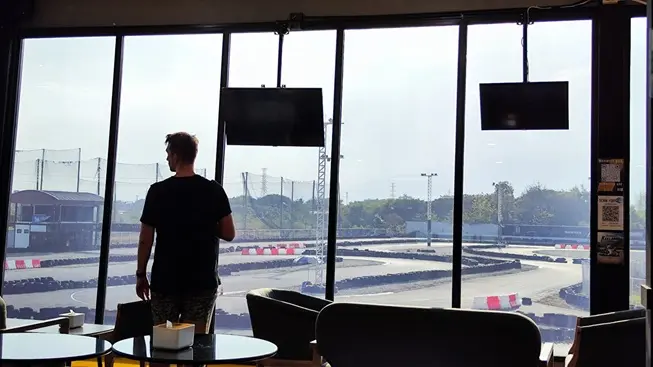
The city is dotted with ancient temples, bustling night markets, and local artisan shops. One of the highlights is the Sunday Walking Street Market in the Old City, where you can browse handcrafted souvenirs, and sample local delicacies. There was even a fancy GoKart track!
Bars, Night Markets, and Street Food

Chiang Mai truly comes alive after dark, and exploring the night markets is an essential part of the experience. The Chiang Mai Night Bazaar is one of the most famous, featuring an array of stalls selling handmade goods, souvenirs, and, of course, mouth-watering street food. You can find everything from pad thai and grilled skewers to quirky souvenirs and Thai silk.
For a more local vibe, visit the Warorot Market near the Ping River. It’s a traditional market where locals shop for everything from fresh produce to textiles. In the evenings, the market transforms into a bustling food haven where you can try dishes like khao soi (a rich coconut curry noodle soup) and sai ua (spicy northern Thai sausage).
The Nimman area is particularly known for its trendy bars and craft beer spots, which was one of the main reasons we chose to stay here. Lots of activity within walking distance of the hotel. Shelby Bar (pictured above) was particularly busy, full of well-heeled locals looking for a nice night out on the town.
Final Thoughts and Recommendations
So in summary: Chiang Mai combines affordability, modern amenities, and a welcoming community – traditional Thai culture with a modern vibe, in a package that suits both work and leisure.
Cost-effectiveness is the big draw – affordable accommodation, food, and coworking. The slower pace and scenery get you here; the convenience and variety of after-hours activities are what keep you.
Recommendations:
- Immerse in Local Culture: Explore beyond workspaces – visit temples, festivals, and try local cooking classes to feel more connected. There’s more to life than just the office (or the cowork space).
- Choose the Right Area: Consider Nimman for modern conveniences or Old Town for a relaxed atmosphere. Monthly rentals are more economical.
- Build Your Network: Join community meetups and online groups to expand your connections. It really helped that I already knew a handful of people there.
- Plan for Long Stays: Research visas early – realistically a tourist visa plus extensions, or the DTV if you’re committed past 90 days.
- Embrace the Pace: Balance productivity with relaxation to make the most of Chiang Mai’s unique lifestyle.
Looking to Set Up Your Business in Thailand?
Well, we can’t help you just yet… United Consulting mainly assists businesses in Vietnam, but we’re actively building a network of Preferred Partnerships in South East Asia!
However, if you’re considering setting up your business in Vietnam, reach out to us today – we’ll guide you every step of the way!